Top 10 for weight loss support
Embark on a journey to discover ten commonly purchased items for weight loss and overall support. We'll explore what these products claim to do, the science behind them, and what you should be aware of before making a purchase. Glow & Wellness is committed to providing you with trustworthy information to help you make informed decisions on your path to a healthier lifestyle.

1. Green tea extract
Claims: May boost metabolism and support fat oxidation due to catechins (especially EGCG).
Who might consider it: Adults who already consume caffeine or tea and want a modest metabolic boost.
Research: Effects are modest and inconsistent. May offer moderate benefits when combined with exercise.
Watch out for: Jitteriness, anxiety, or sleep issues due to caffeine content. Can stress the liver in large doses.

2. Caffeine
Claims: Increases energy expenditure, slightly increases fat burning, and boosts energy for workouts.
Who might consider it: Adults without heart problems or sleep issues who want a small metabolic boost.
Research: May lead to a small amount of weight loss when paired with diet and exercise.
Risks: Insomnia, jitteriness, increased heart rate, anxiety, digestive issues. Not suitable for those with high blood pressure or heart conditions.

3. Glucomannan
Claims: Soluble fibre that expands in water, promoting fullness and reducing calorie intake.
Who might consider it: People struggling with overeating or appetite control.
Research: May assist weight management when combined with a balanced diet, but doesn’t guarantee fat loss.
Risks: Bloating, gas, or choking risk if not taken with enough water. Won’t cause fat loss with a high-calorie diet.
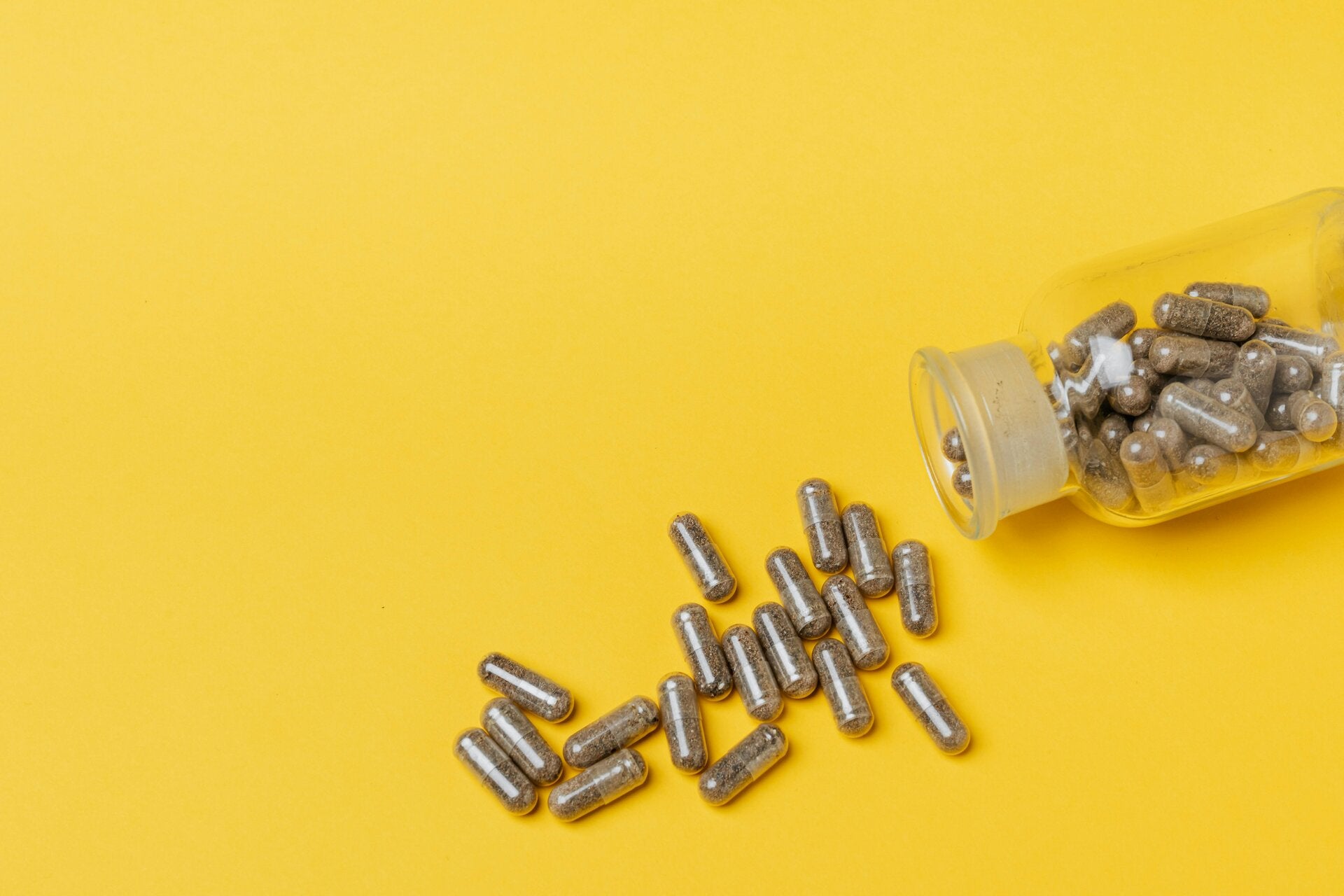
4. Chromium picolinate
Claims: Helps the body manage carbohydrates, fats, and proteins, potentially influencing insulin function and appetite.
Who might consider it: People with insulin resistance or blood sugar issues.
Research: Largely ineffective for weight loss. No consistent or significant benefit.
Risks: Insomnia, irritability, headaches, and kidney damage in high doses. Avoid if you have kidney issues.

5. Conjugated linoleic acid (CLA)
Claims: May reduce body fat and preserve or increase muscle mass.
Who might consider it: People looking to improve body composition, especially if they exercise.
Research: Mixed evidence. Some trials show minor fat loss, others show no benefit. Not a fast fat burner.
Risks: Digestive issues, potential negative effects on insulin sensitivity. Unlikely to work without diet and training.

6. Soluble-fiber supplements
Claims: Slows digestion, promotes fullness, reduces calorie intake, and supports gut health.
Who might consider it: People who tend to overeat, want better satiety, or have a low-fiber diet.
Research: May help with appetite control when used with a healthy diet. Won’t cause fat loss if calorie intake is too high.
Risks: Bloating, gas, constipation, or choking risk without sufficient water. Could interfere with nutrient absorption if overdone.

7. Balanced vitamins / minerals
Claims: Correcting deficiencies can improve energy, support exercise, and overall metabolic health.
Who might consider it: People who suspect they have nutrient deficiencies or feel weak and fatigued.
Research: While they don’t directly burn fat, adequate intake is important for energy and sustainable weight management.
Risks: Over-supplementation can be harmful, especially with fat-soluble vitamins. Supplements don’t replace a nutrient-rich diet.
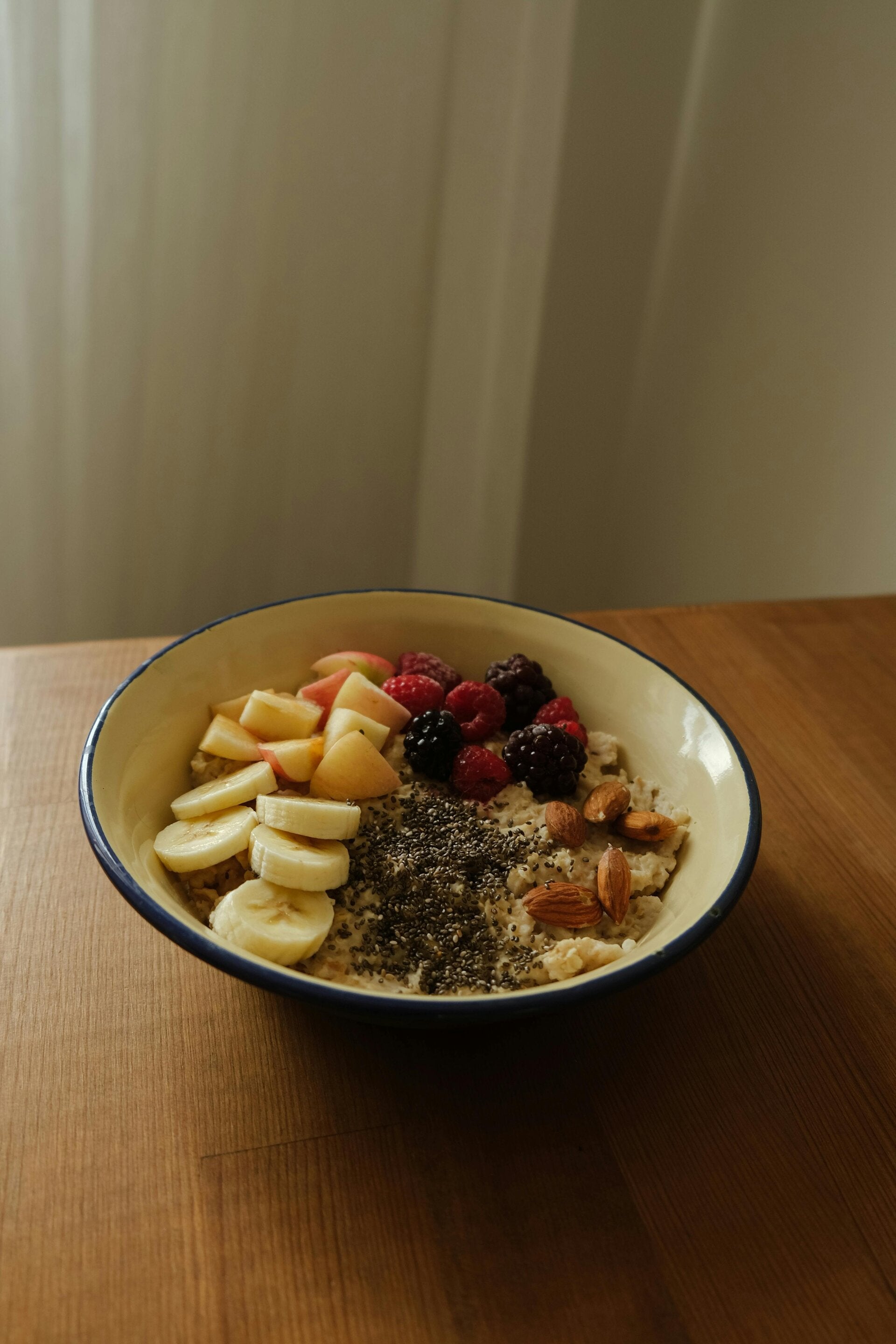
8. Mild appetite or satiety-promoting strategies
Claims: Making your stomach feel fuller through fiber, water-rich foods, or slow-digesting meals can reduce overall calorie intake.
Who might consider it: People who struggle with hunger, frequent snacking, or portion control.
Research: Fibre-based strategies are realistic and safer supportive tools for weight management when combined with a sensible diet.
Risks: Over-reliance doesn’t guarantee fat loss. Excessive fiber/water without balanced nutrition may lead to digestive issues or nutrient inadequacy.

9. Cautious use of natural/herbal “fat-burners”
Claims: Increase metabolism, raise energy expenditure, block absorption of fat/carbs, or suppress appetite.
Who might consider it: Adults with no heart or blood-pressure issues who understand the risks.
Research: Overall evidence is weak. Many show little to no benefit over diet and exercise and some may be harmful.
Risks: May contain unlisted ingredients, potential for elevated heart rate, high blood pressure, liver damage. Dangerous for those with cardiovascular conditions.

10. Lifestyle-based “support items”
Claims: Effective weight-management tools include everyday food choices and lifestyle supports.
Who might consider it: Almost everyone aiming for sustainable weight loss or maintenance.
Research: Diet and lifestyle changes are the only proven, sustainable ways to achieve and maintain a healthy weight.
Risks: None inherent to the strategy, unless extreme dieting or unhealthy behaviours are involved. Progress may be slower, but more sustainable.
Create Your Own Website With JouwWeb